

Spokane could soon buy a bunch of armadillos.

The armadillos Spokane’s talking about, though, look less like that little guy and more like a series of croissant (or armadillo) shaped plastic bumps placed alongside bike lanes that create a physical barrier between bicyclists and the cars zooming past them.
After a unanimous vote at the June 24 Spokane City Council Meeting, the council passed the Janet Mann Safe Streets Now! Resolution which was renamed to honor Mann, an avid biker, author and visionary who was killed in a hit-and-run in downtown Spokane a few weeks ago.
Mann’s death was a preventable tragedy, and one that is indicative of a rising trend of traffic deaths, which have reached a 33-year high in Washington and rising 10% in the last year. Spokane saw 20 traffic fatalities in 2023. Of those fatalities, 11 were pedestrians hit by cars.
For months, traffic safety advocates like Erik Lowe and the Spokane Reimagined group he started, have been taking every possible public testimony opportunity to urge the council to take immediate action to address the rising rate of traffic fatalities. The resolution, penned by Council Member Zack Zappone, was a first step in addressing what Lowe described in testimony as a “crisis.”
Other community members testified in support of the resolution, including Sarah Rose, who led the council chambers in a moment of silence for Mann and other victims of traffic violence.
“A single death due to our transportation, either as a city or as individuals, should be mourned, taken seriously, assessed and investigated to prevent a following loss,” said Rose. “I’m hoping this resolution gives the city and neighborhoods the power to transform their own streets and make them safer, more livable places.”
Quick, low-cost solutions described as “adaptive design strategies,” are the primary focus of the resolution, which asks Mayor Lisa Brown’s administration to purchase armadillos and other physical barriers like wheel stops, bollards and planters. These types of infrastructure changes are relatively cheap, easy-to-install ways of calming traffic, as opposed to lengthy and expensive construction projects.
According to the Tactical Urbanist’s Guide, armadillos cost between $40 and $50 each and last up to five years, while construction projects to add bike lanes can cost millions and take years.
Other potential projects listed in the resolution include curb extensions, traffic islands or bike lane improvements that keep cars from parking or driving in bike lanes. The stated goal in the resolution is for each council district to get at least one pilot project in 2024.
Other requests in the resolution included asking the Spokane Police Department (SPD) to quickly implement more automated traffic safety cameras, for which some funding has already been allocated, and asking Brown to hire a project employee to oversee adaptive design measures and a consultant to develop an adaptive strategies manual and potential project list for 2025.
While the resolution is nonbinding, which means council can’t force Brown to do any of the things listed in the resolution, her spokesperson Erin Hut said the mayor worked closely with Zappone on the resolution and is “well aware of the asks in it.” Hut said an internal workgroup is already evaluating the requests and will be announcing specific next steps for the city soon.
Lowe, who, along with other members of Spokane Reimagined, worked with Zappone to add the more specific requests to the final draft of the resolution, said he appreciated all the work by the council and city staff.
“Now we get to the much more difficult part: ensuring the goals laid out in the resolution actually get done. The council has acted with urgency. Now Mayor Brown and all levels of city government must do the same,” Lowe told RANGE in a written statement. “All levels of government need to take a hard look at how their operations impact those outside of a car.”
In his statement, Lowe also documented times city vehicles from the Fire Department, Police Department and Public Works departments had parked their vehicles in bike lanes.
If you’re curious about what some of these adaptive design strategies will actually look like, we’ve put together a quick visual guide with photos from The Tactical Urbanist’s guide. Not all of these will be used in every place, but they give the city a menu of options to experiment with as they seek to balance cost with efficiency and permanence.
Armadillos

Armadillos are easy to install, and according to The Tactical Urbanist, are most effective when placed between one and five feet apart at an angle, so bicyclists can change lanes if necessary.
Wheel Stops
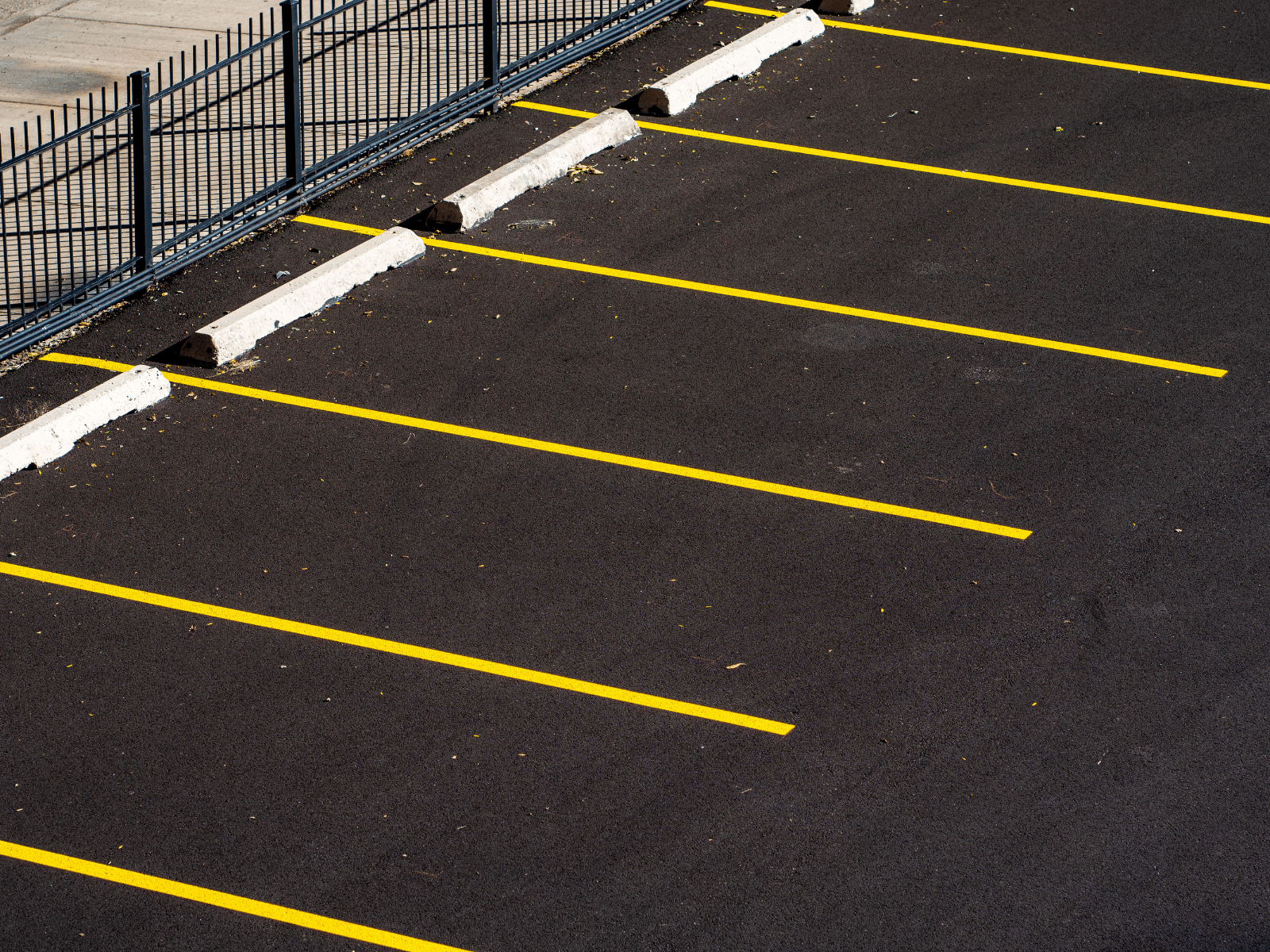
While wheel stops are traditionally seen in parking lots, they can also be placed end to end beside bike lanes as physical barriers to stop cars from crossing in. According to the Tactical Urbanist, they should be placed with eight to 20 feet in between them, allowing bicycles or pedestrians to easily cross in and out. They cost around $40 per unit.
Temporary Speed Tables
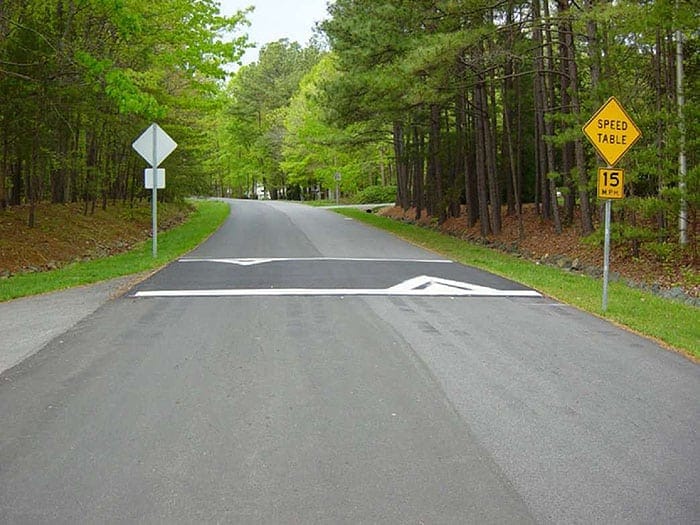
Speed tables can be used as raised crosswalks in high density urban areas to slow traffic. Bicyclists can drive over speed tables with little difficulty, but they are uncomfortable for cars driving over 30 mph.
Speed Cushions
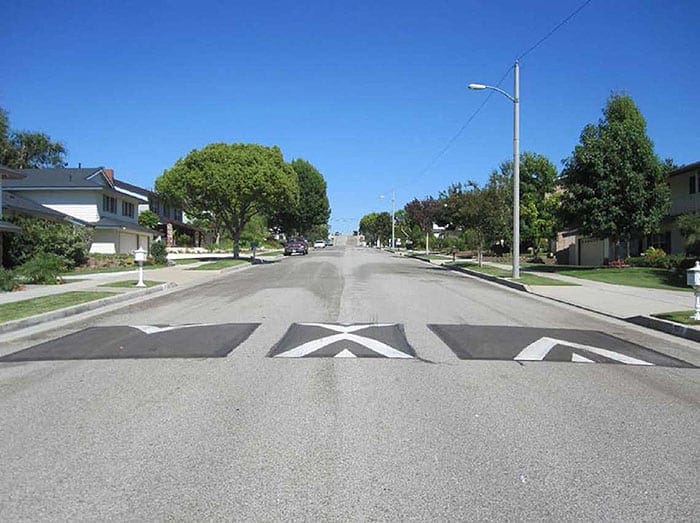
Speed cushions look like smaller speed tables and are similar to speed bumps in dimension. They are multiple raised areas placed side-by-side on a roadway. The gaps in speed cushions allow bikes and vehicles with wide tracks like large emergency vehicles to pass through unimpeded.
Bollards
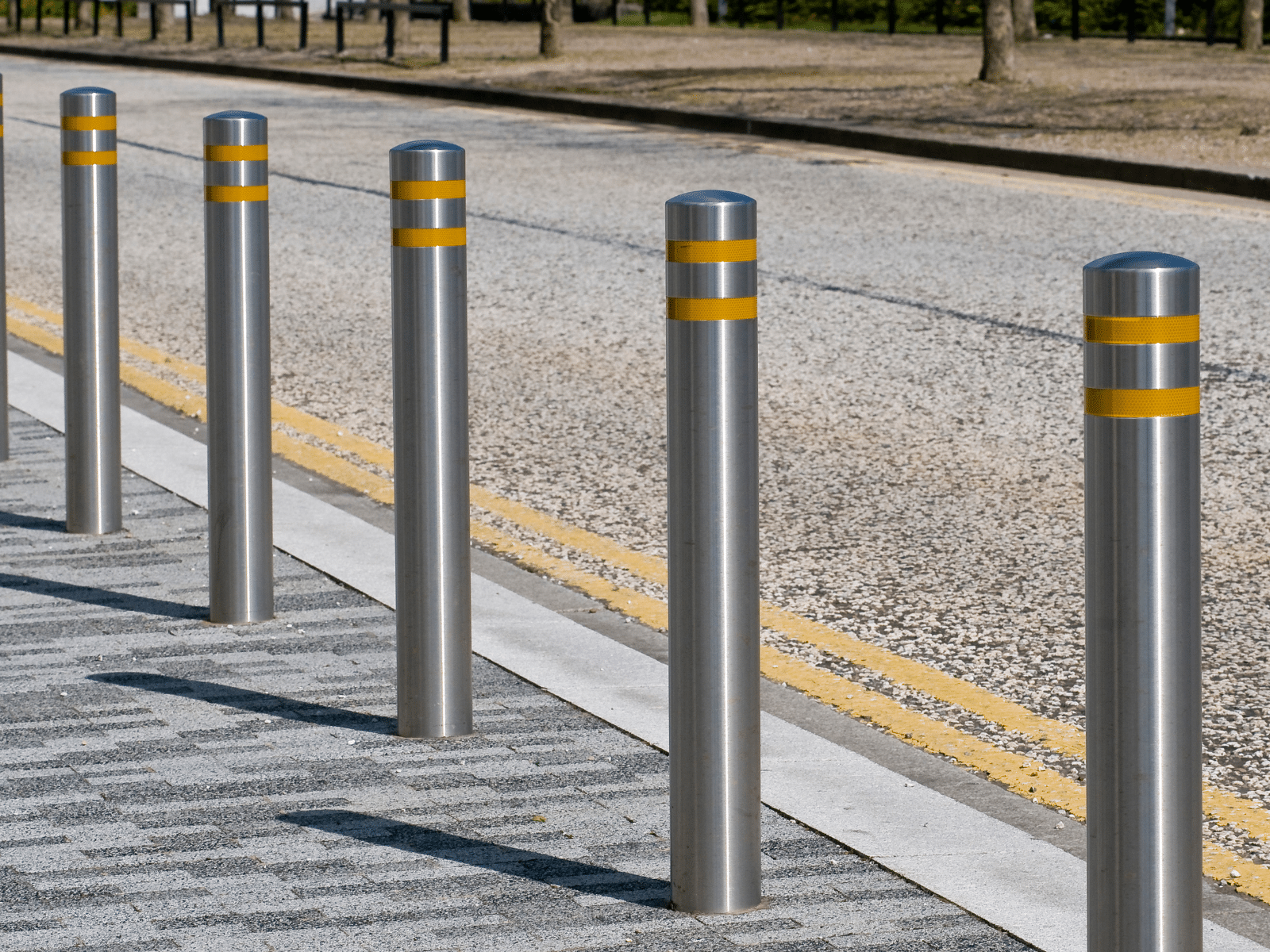
Bollards are a bit more expensive than things like armadillos or wheel stops, but are more permanent and tall visual cues that show drivers they cannot cross into bike or pedestrian lanes.
Candlesticks
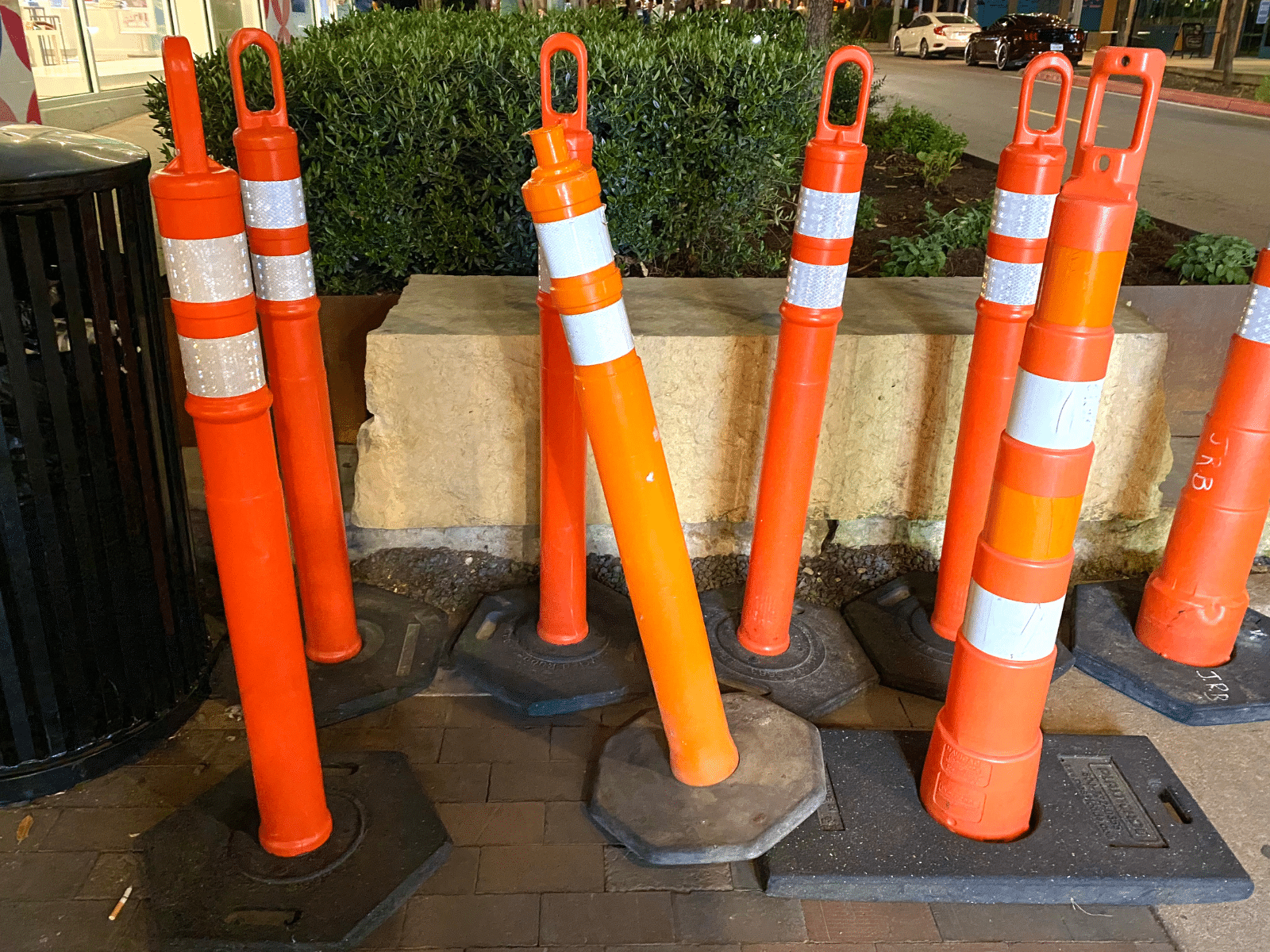
Candlesticks, as they are colloquially known, are essentially tall, bright traffic cones that are a cheap but more temporary way of delineating traffic lanes and protecting pedestrians and bicyclists.
Planters
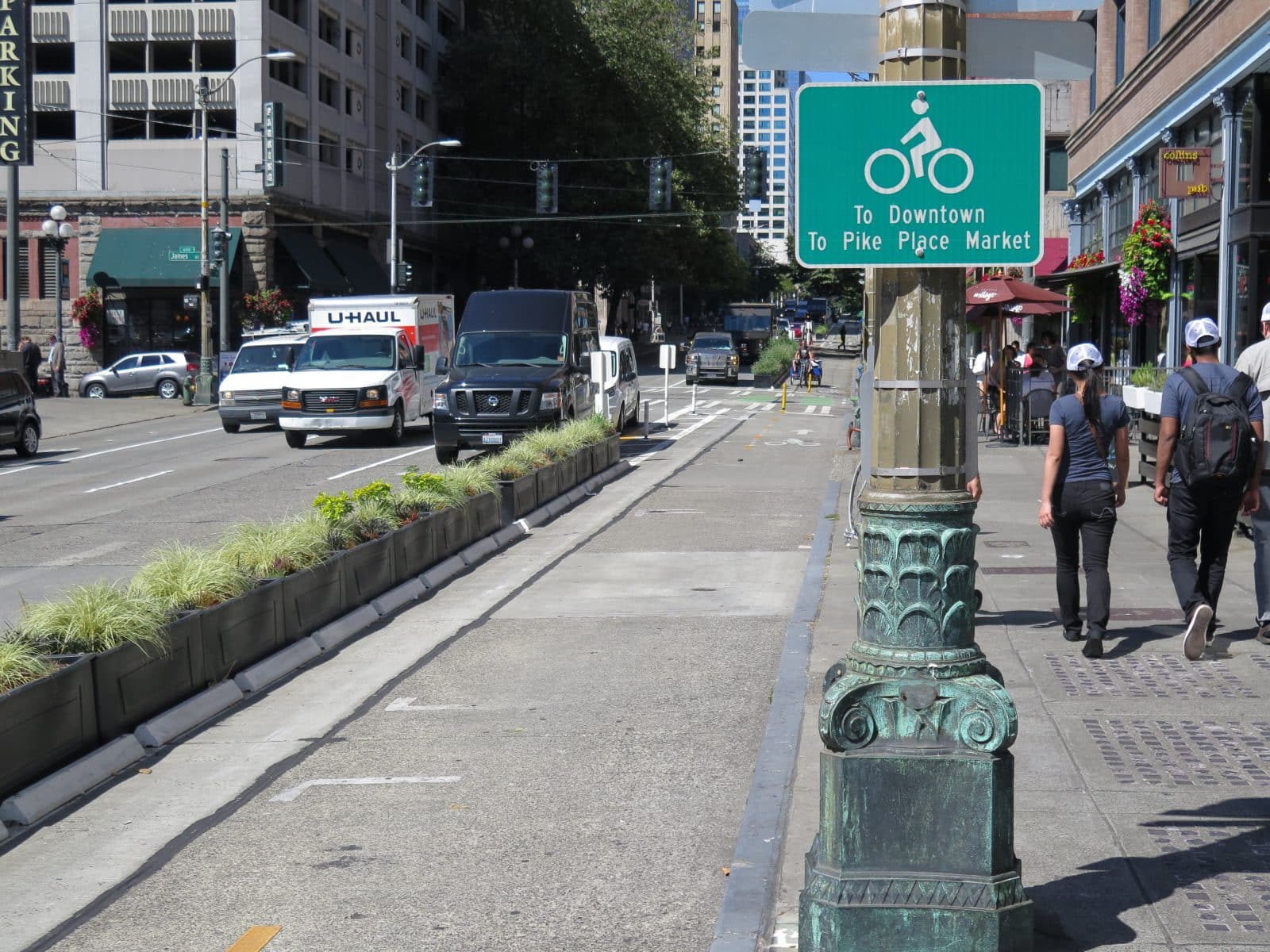
Planters are an aesthetically pleasing physical barrier to divide lanes. Spokane is already using this method as a way of protecting the pedestrian and bike lanes on the Post Street Bridge.
Curb extensions
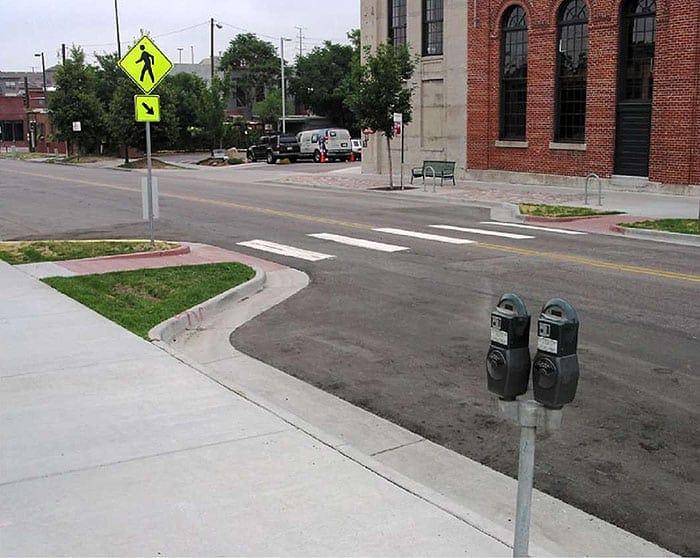
Curb extensions push the sidewalk out into the street, which makes the intersection narrower and more pedestrianized. It can make crosswalks more visible to drivers and slow traffic by narrowing the lanes.
Traffic Islands
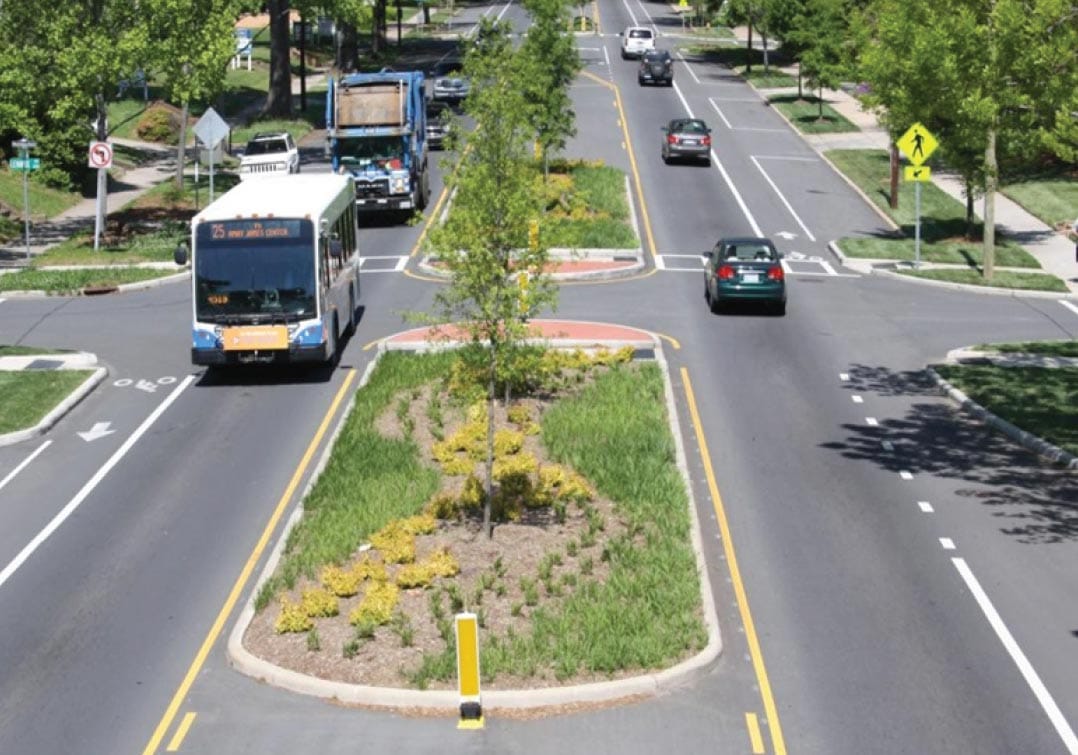
Traffic islands serve to narrow roads and slow traffic. They can also create a place to put trees in and increase tree cover in heat islands as a tangential benefit.
Murals
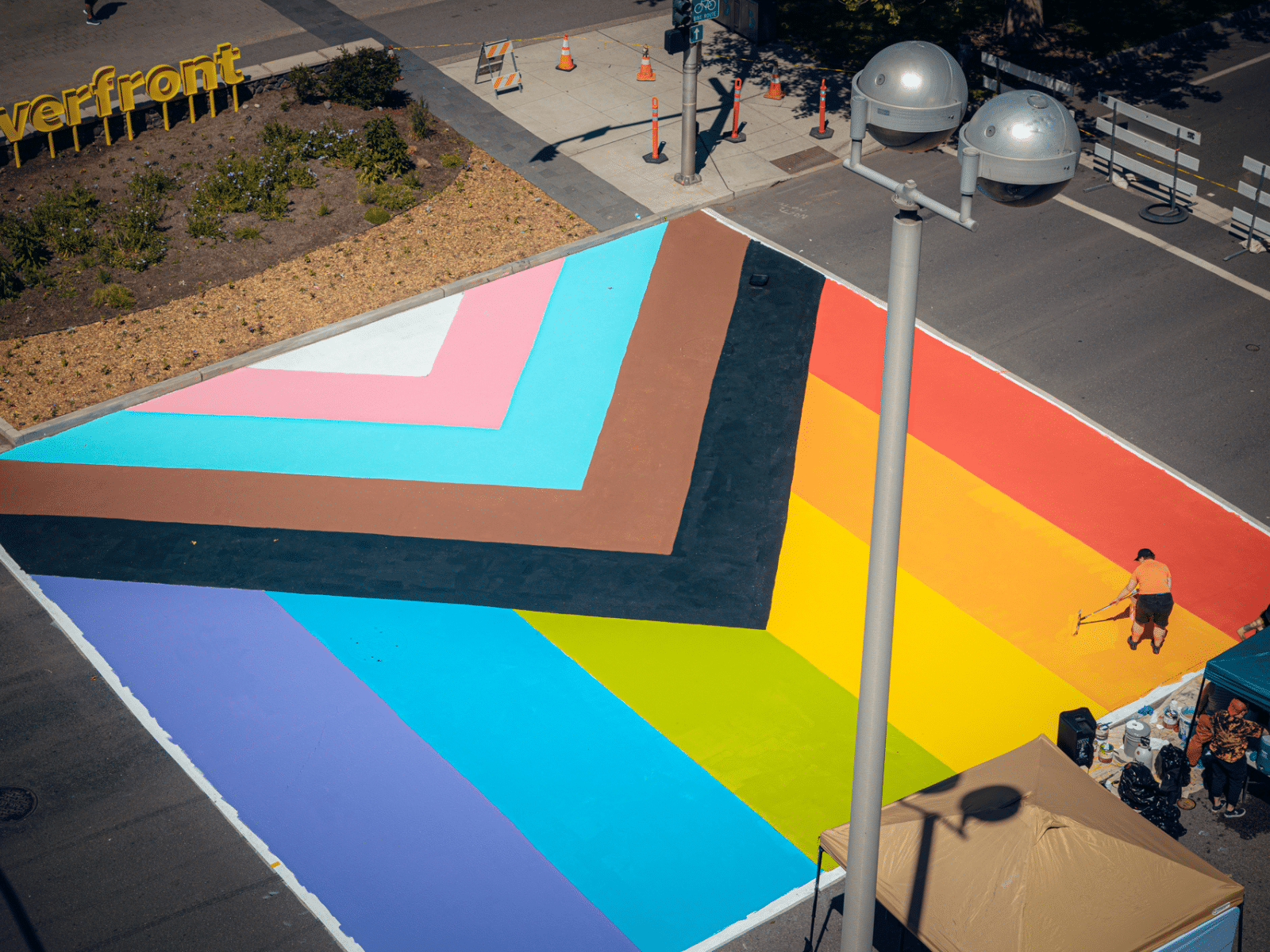
Murals are also considered traffic calming measures, because studies show they slow drivers and reduce accidents. The city already has the Asphalt Arts program which works to put street murals in on high traffic intersections chosen by neighborhood councils and funded with dollars from red light traffic tickets.
This story has been edited to correct statistics from the Washington State Traffic Safety Commission.


