

With ballots on the way and Election Day inching ever closer, we decided to take a peek into the pockets of the six candidates running for the Spokane City Council to see what their war chests (and Washington’s campaign finance transparency laws) can tell us about the election.
Which special interest groups are funding which candidates? What in the world is the “Seattle Money Bomb?” Who is conservative megadonor Larry Stone giving his hundreds of thousands of dollars to this year and why is a self-proclaimed Democrat on his list?
We have the answers — at least, all the answers reported to the Washington State Public Disclosure Commission as of October 16, 2025, which is a little over two weeks before your ballot is due.
Campaign contributions for dummies
For campaign finance beginners, let’s go over the basics: just how much money has your favorite candidate raised?
Looking at raw campaign contributions, the current fundraising leader is Kate Telis, one of the candidates running for the incumbent-less seat in District 2, followed closely by Christopher Savage, the conservative candidate challenging incumbent Zack Zappone for his District 3 seat. District 1 incumbent Jonathan Bingle trails the two fundraising leaders, sitting around $5,000 behind Savage.
After Telis, Savage and Bingle, contributions drop off. Around $20,000 separate the three fundraising leaders from the other three candidates for council — Zappone, Alejandro Barrientos and Sarah Dixit — who are all clustered between $77,000 and $80,000 raised each.
These fundraising totals aren’t out of the norm for Spokane politics, and seem relatively in-line with candidates’ totals from the 2023 council elections, though Telis and Savage have both outpaced every single one of the 2023 candidates for city council, save Katey Treloar (who lost to now-Council Member Paul Dillon).
The crop of candidates for 2023 raised $554,111.08 in total, excluding the high-spending race for council president that saw conservative challenger Kim Plese raising over $250,000. Currently, the 2025 candidates as a whole have raised $521,237.95, a number that will likely equal or surpass the 2023 totals with donations from the last few weeks of campaigning.
If comparing the total campaign spending across years by district reveals anything, it’s that in 2023, political donors thought District 2 was the most competitive race (or were most inspired by that crop of candidates, if you have the less cynical view), while this year spending is a bit more even across districts.
One other major shift: in 2023, the race to represent District 1 between incumbent Michael Cathcart and challenger Lindsey Shaw drew the least amount of financial support with both Cathcart and Shaw sitting at the bottom of the pack for fundraising. This year, more money is flowing into both District 1 campaigns and have outpaced their 2023 predecessors. Dixit, the progressive challenger, has out-fundraised Shaw by roughly $17,000, while conservative Bingle currently has around $20,000 more in contributions than Cathcart raised.
Two other interesting details we noticed when taking a look at the basic campaign contributions and expenditures:
- While most of the candidates are spending through what they’ve raised, Zappone has spent just $23,322.38 of the total $79,574.90 he’s raised. Perhaps unrelated, but contributions raised for a city council race can carry over to future runs, and Zappone will not commit to a full four-year term on council when asked, instead leaving the door open for a mid-term run for a higher office.
- Only one candidate has recorded debt with the PDC. Barrientos, the 36-year-old chief operations officer for the SCAFCO Steel Stud Company, took on $61,282.28 in campaign debt, the majority of which was spent on KHQ TV ads to run October 17 through November 3.
Independent expenditures: the money with no limit
While the numbers reflected above might already seem huge to you, there’s even more spending on local political races that’s not reflected in the contribution tallies: independent expenditures.
Unlike campaign contributions that go directly to your political campaign of choice, independent expenditures aren’t limited to any kind of contribution caps. They also can’t go directly into the war chests of any specific campaign (or even be spent in coordination with campaigns) but are instead a way that Political Action Committees (PACs), special interest groups and the wealthy can funnel hundreds of thousands of dollars into influencing the results of elections.
Two years ago, independent expenditure money was practically falling out of the sky (rich peoples’ bank accounts) and into support for conservative candidates running for key races in Spokane.
It’s a lot less extreme this year across the board — at least, so far — but one race in particular has garnered the majority of independent expenditures: the race to fill the incumbentless seat in District 2.
Barrientos is the clear beneficiary of the race’s independent expenditure spending. At this point, two PACs have spent nearly $100,000 on positive Barrientos messaging, and another $32,750 on negative messaging about Telis, his opponent.
This is one of the more complex races because it’s not necessarily conservative vs. progressive. Both Barrientos and Telis call themselves Democrats, with Barrientos describing himself as an independent Democrat who is tough on public safety and homelessness, and Telis treading a more traditional liberal party line.
But when you look at who is spending money on Barrientos, it’s almost all high profile conservatives and developer interest groups, which is evident in the independent expenditure spending: the Spokane Good Government Alliance, which received $120,000 in contributions from conservative megadonor (and Barrientos’ boss) Larry Stone this election season alone, has spent $56,193 on independent expenditures that benefit Barrientos.
The National Association of Realtors Fund, which has donated millions of dollars to conservative candidates in Washington, is the other major spender on independent expenditures to benefit Barrientos, dropping $40,188 to run mail, texts and ads telling you to vote for him.
The other major benefactor of independent expenditures this time around is Savage, who is up to $61,776 in spending in his favor. He has three key benefactors: the Washington Realtors PAC and, like Barrientos, the Spokane Good Government Alliance and the National Association of Realtors Fund, the latter of which spent $45,869 on the same suite of mail, texts and ads.
Not the biggest spend, but perhaps the funniest, is the $3,726.88 independent expenditure against Zappone, paid for by Larry Andrews. Andrews is a local business owner and frequent city council commenter, railing against environmental regulations, liberal homeless policies and Zappone’s role in the redistricting efforts, among other things. He spent his own money to get $500 worth of anti-Zappone research from political consultant Jim Hedemark, and then $2,958.82 to place an ad in the Spokesman Review.
How are IEs tracked?
The state PDC logs independent expenditures as being either “for” — in favor of — or “against” a given candidate or ballot measure.
For measures, it’s straightforward, an IE is either in favor of the proposed measure, or opposed.
For elected offices, things get a little more complex: because it’s possible to run positive and negative ads against any given candidate, there are four categories of spending for general election races. In the case of Zappone vs. Savage, for example, the PDC tracks pro-Zappone money and pro-Savage money, as well as money that’s anti-Zappone and anti-Savage, respectively.
Why? Because IEs will often run ads that are explicitly positive or negative about one candidate without mentioning the other. So an ad that only focuses on Zappone’s accomplishments would count in the pro-Zappone column. An ad attacking Savage would count as anti-Savage. Many ads, though, have a mix. In cases where a mailer has an anti-Zappone message on one side and a pro-Savage message on the other, the cost of that ad would be split between those two buckets. It’s complicated, but it gives a nice level of detail about not just how much money is being spent, but also how that money is being deployed tactically.
Campaign Finance By District
District 1
window.addEventListener("message",function(a){if(void 0!==a.data["datawrapper-height"]){var e=document.querySelectorAll("iframe");for(var t in a.data["datawrapper-height"])for(var r,i=0;r=e[i];i++)if(r.contentWindow===a.source){var d=a.data["datawrapper-height"][t]+"px";r.style.height=d}}});
Bingle

Incumbent Bingle is the current fundraising leader in the District 1 race. He came into the race with a starting balance of $11,922.25 and has raised $90,029.26 this election season.
Most of Bingle’s contributions come from individual donors, though he’s also received over $11,000 from businesses and over $7,000 from PACs. His donors overwhelmingly live in Spokane, with 78.7% of Bingle’s campaign contributions coming from donors located here.
His donor list is full of local conservatives like former Gonzaga basketball player John Stockton, Spokane County Commissioner Al French and developer-turned-right-wing-email-influencer Sheldon Jackson. Other notable names in Bingle’s donor list include Chud Wendle, Kim Plese and Max Kuney.
One trend we noticed in Bingle’s contribution data: he receives a lot of his funding from various landlords, realtors, developers and various associations representing them, like the Washington Association of Realtors, Build East PAC and the WA Multi Family Housing Association.
Bingle, who received the endorsement of the local firefighters union, also received funding from that union’s PAC, and from Avista Utilities.
Find more information on Bingle’s campaign finances here.
Dixit
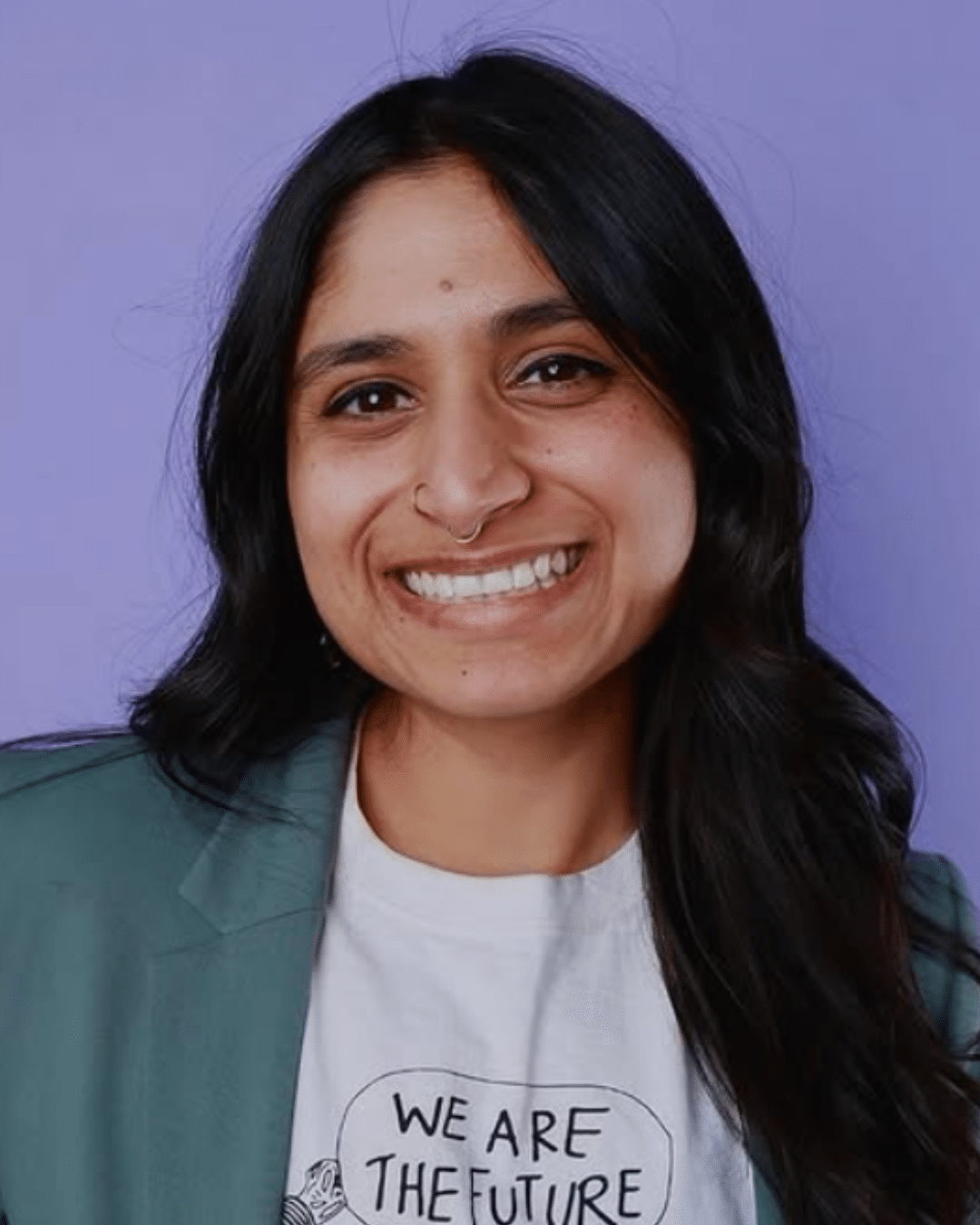
While Dixit trails Bingle in fundraising with $77,950.75 in her account, she has out-raised both of the candidates for District 1 from 2023, perhaps indicating a renewed liberal interest in the district. Though it’s been a conservative stronghold since progressive Kate Burke left office in 2021, with the only two conservatives on the Spokane City Council both coming from District 1, voters in the region also swung in Democratic presidential candidate Kamala Harris’ favor by five points in 2024.
Like Bingle, most of Dixit’s contributions also come from individual donors. She’s also received $8,520.00 from her “Artists in Action,” fundraiser, and about $4,000 in union support.
Unlike Bingle, however, the majority of Dixit’s individual contribution donations originate from outside Spokane. Just 33.9% of Dixit’s donations are from Spokane, while 39.6% come from Seattle and the remaining third from a variety of other cities. Dixit addressed this donation make-up on the campaign trail, including at Spokane’s Spiciest Candidate Forum, stating that she was the recipient of support from Seattle donor group First Mile Circle (known in conservative circles as "The Seattle Money Bomb,") which helps support progressive candidates across the state.
Despite the Seattle support, her donor list still features well known Spokane progressive politicians like Mayor Lisa Brown, Spokane City Council Members Kitty Klitzke, Betsy Wilkerson and Paul Dillon, Naghmana Sherazi, who ran against Bingle four years ago, and Carmela Conroy, who recently lost her congressional race to Rep. Michael Baumgartner. Also notable on Dixit’s donation list is local musician Allen Stone, who headlined her Artists in Action fundraiser.
Dixit also has financial support of multiple unions, and interest groups like Spokane Regional Labor Council, Washington Progress Alliance and the Alliance for Gun Responsibility.
Find more information on Dixit’s campaign finances here.
District 2
window.addEventListener("message",function(a){if(void 0!==a.data["datawrapper-height"]){var e=document.querySelectorAll("iframe");for(var t in a.data["datawrapper-height"])for(var r,i=0;r=e[i];i++)if(r.contentWindow===a.source){var d=a.data["datawrapper-height"][t]+"px";r.style.height=d}}});
Telis

Sitting at the front of her race and the front of the whole pack for fundraising, Telis has raised $105,705.56 — the only candidate to clear that $100,000 bar so far. The one place she seems to be falling short is on independent expenditures, where donors are spending heavily to both bolster her opponent and hinder her.
Telis’ contribution breakdown looks pretty standard: most of her donations come from individual donors, and most of those individual donors are from Washington. She’s also received $19,000 in contributions categorized as “other,” which looks to be small cash contributions, $5,000 from unions and a bit more than $5,000 from PACs.
Her donor list is a who’s who of local liberal politicians like Mayor Lisa Brown, former representative Andy Billig, council president Betsy Wilkerson and council member Paul Dillon. She also received support from Sharon Smith and Don Barbieri of the Smith-Barbieri Progressive Fund (which, disclosure, also supports RANGE.)
She is also financially supported by interest groups like Planned Parenthood Advocates of Greater Washington, Alliance for Gun Responsibility and Western States Regional Council of Carpenters.
Find more information on Telis’ campaign finances here.
Barrientos
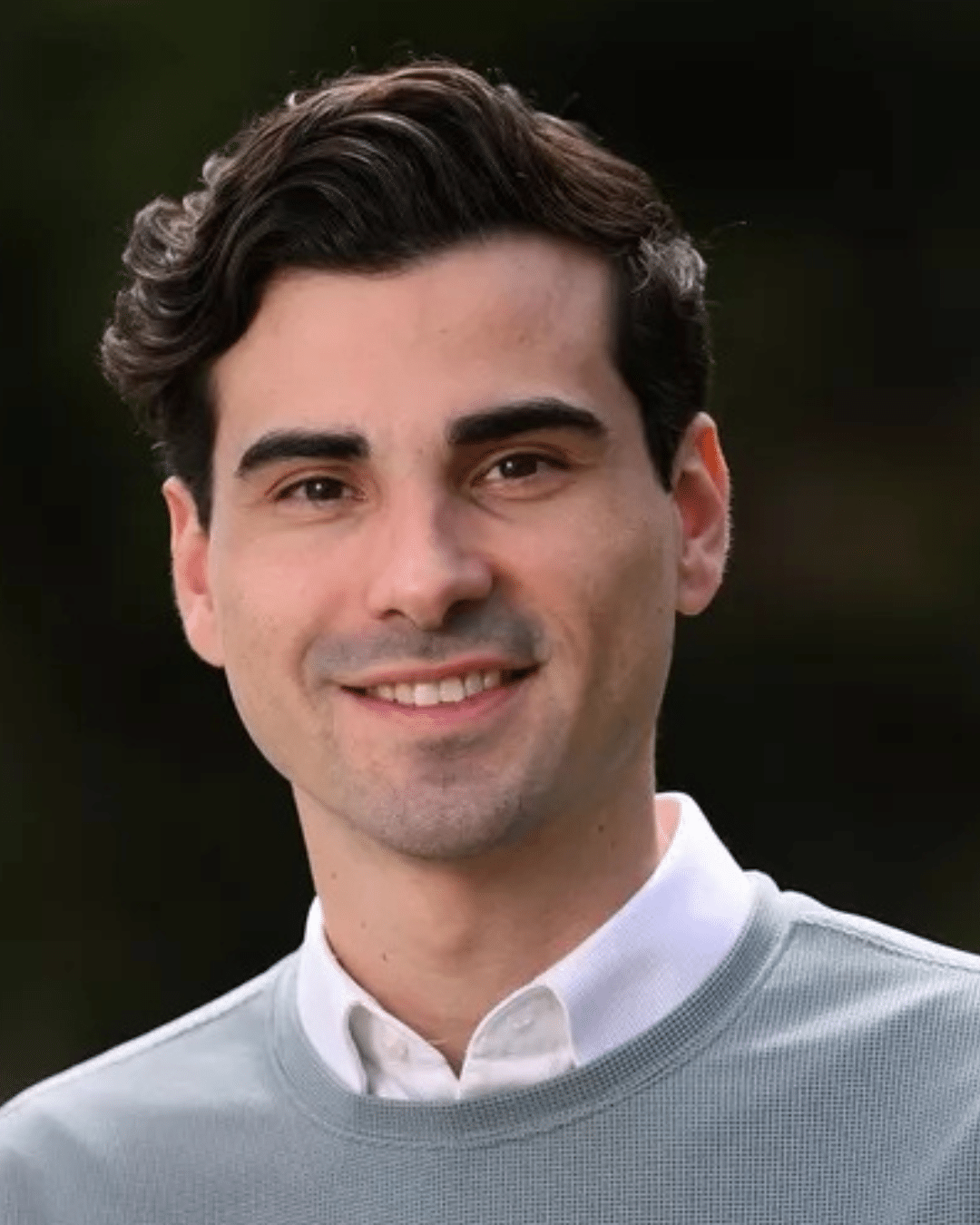
Technically, Barrientos has raised the least amount of money at $77,818.69 — about $100 less than Dixit. His campaign has also taken on $61,282.28 in debt, though PDC reporting doesn’t make it clear how much of that has already been paid back.
Still, Barrientos is the primary beneficiary of independent expenditures this campaign season, primarily from the Spokane Good Government Alliance, which received a large donation from his boss, Larry Stone, right before spending tens of thousands in Barrientos’ favor.
Besides the influx of independent expenditure support, Barrientos’ breakdown also looks pretty standard: most of his donations are from individual contributors, and most of those contributors are based in Spokane. He also put in $4,563.22 of his own money, and has received $2,400 from PACs.
His donor list has a lot of overlap with Bingle’s and Savage’s, pulling conservatives like John Stockton, Nadine Woodward and Al French’s wife Rosalie (although initial campaign reports showed $125 from French himself and was later amended to be under Rosalie’s name.) Barrientos also has the direct support of Stone, Spokane Business Association’s Gavin Cooley and Ryan Oelrich, although Oelrich donated about $50 more to Telis, Barrientos’ opponent.
Barrientos is also supported heavily by the realtor/landlord/developer coalition, with donations from David Black (of NAI Black) and interest groups like Associated Builders and Contractors, BUILD East PAC / AGC Inland NW Chapter and Riverfall Tower Development Company.
Find more information on Barrientos’ campaign finances here.
District 3
window.addEventListener("message",function(a){if(void 0!==a.data["datawrapper-height"]){var e=document.querySelectorAll("iframe");for(var t in a.data["datawrapper-height"])for(var r,i=0;r=e[i];i++)if(r.contentWindow===a.source){var d=a.data["datawrapper-height"][t]+"px";r.style.height=d}}});
Savage
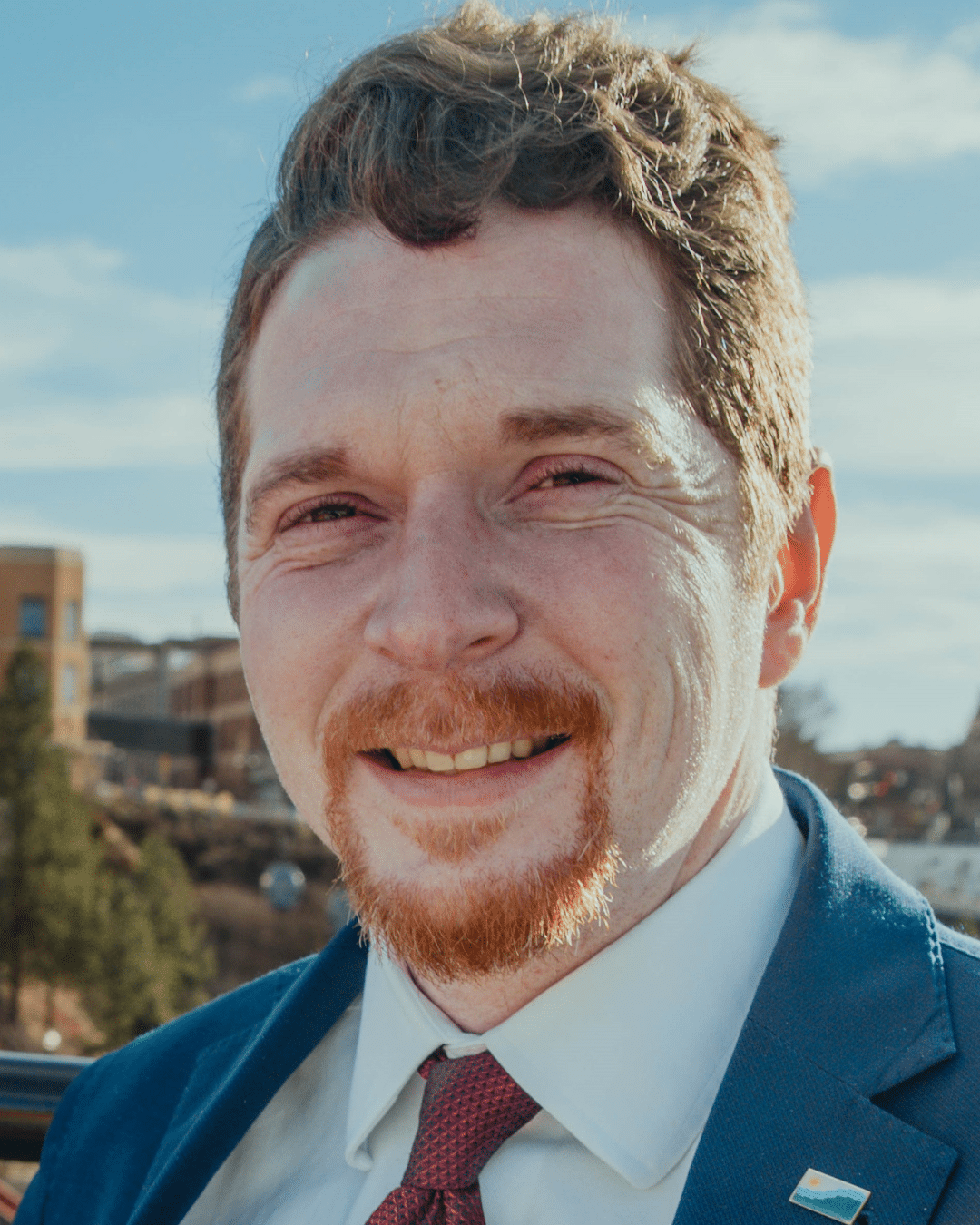
Having raised both the second highest amount of money across the board and spurred the second highest amount of independent expenditures, Savage is sitting pretty with $95,158.79 raised.
Perhaps the only money woe for Savage is that he’s spent most of that money already. In fact, Savage has spent about $30,000 more so far than any of the other candidates, and has less than $10,000 left to play with going into the final weeks of campaigning.
Savage’s contribution list and breakdown looks pretty similar to Bingle’s: about 75% of his contribution total comes from Spokane donors, and the rest is mostly from residents of surrounding cities like Mead, Cheney and Spokane Valley. Most of those donors are also individual donors, though he’s received $7,078 from businesses and $5,800 from PACs.
His notable donor list includes the same heavy hitters as Bingle — John Stockton, Al French and Chud Wendle — but Savage has also pulled donations from more rightwing local politicians, like Jessica Yaeger, Tim Archer and Marshall Casey, who once employed Matt Shea. He also has the financial support of conservative megadonor Larry Stone and of Steve Corker, a former Spokane City Council President and current landlord.
Also like Bingle, Savage enjoys the support of landlords, developers, realtors and their interest groups, with support from WA Multi Family Housing Association, Rental Housing Association of WA and Washington Association of Realtors Political Affairs Council.
Find more information on Savage’s campaign finances here.
Zappone
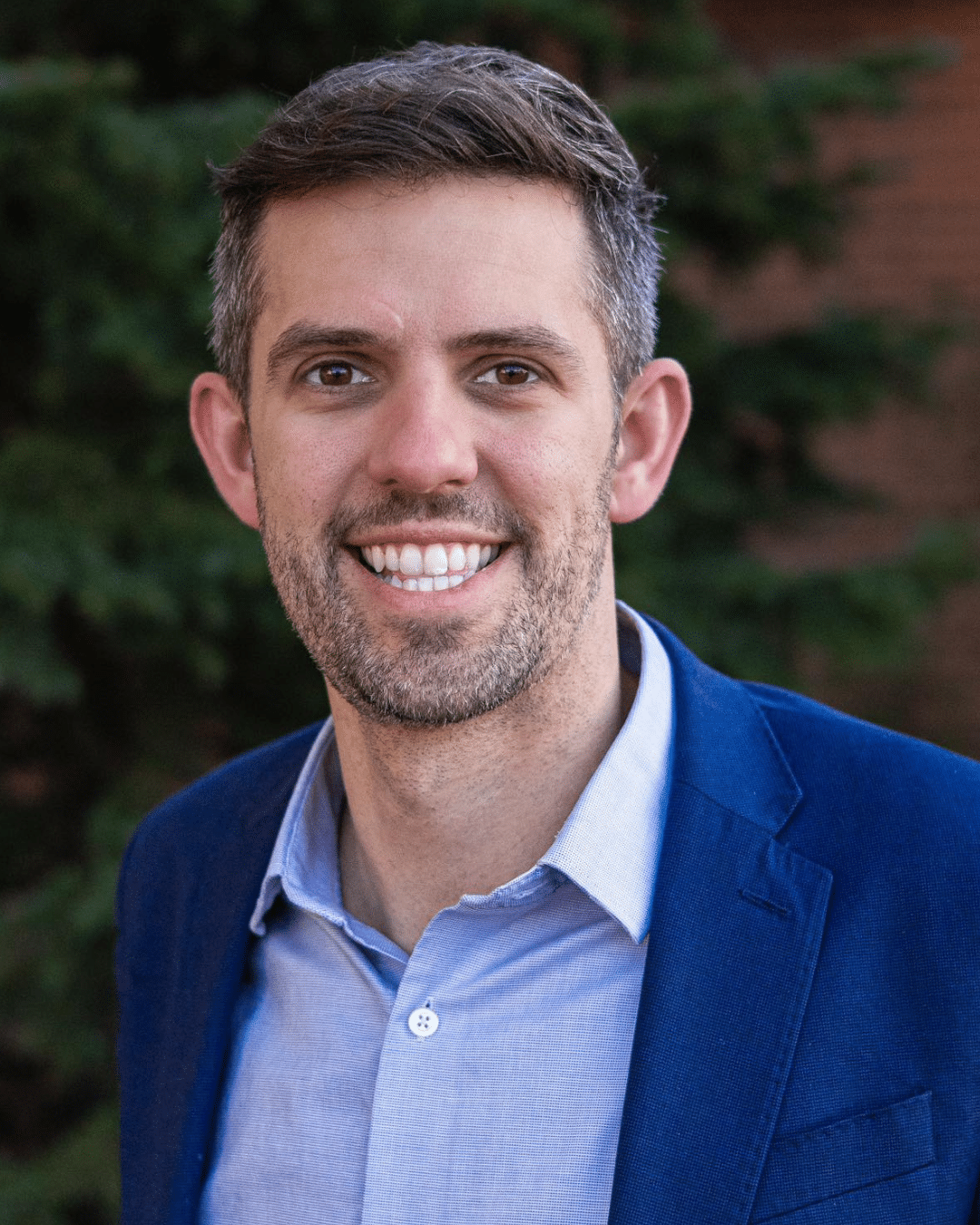
Zappone is trailing Savage in fundraising by almost $20,000 — just slightly less than the total amount of money Zappone has spent on the race so far. While his war chest was smaller, he has a lot of cash left to spend in the final weeks, or to roll over to future elections.
The location breakdown of his donors has him receiving 68% of his support from Spokane, with 10% coming from Seattle and the remaining chunk coming mostly from other cities in Washington. While most of the other candidates are bolstered by individual contributions, Zappone is the exception: around 40% of his total funds are from individual contributions, while PAC, union and “other” contributions make up the rest. He’s the biggest beneficiary of union contributions this year, receiving $10,100 from various local unions.
His notable donor list looks similar to Telis’, including former representative Andy Billig, former Council President Lori Kinnear, former council members Candace Mumm and Karen Stratton, Mayor Lisa Brown, current Council President Betsy Wilkerson and seatmate Kitty Klitzke. Like the District 2 candidates, Zappone also received a contribution from past council member Ryan Oelrich for $250 — more than Oelrich donated to either of the candidates in his own District 2.
He also received support from unions and interest groups like Spokane Regional Labor Council, the Washington Bus, the Washington Educators Association PAC and Planned Parenthood Advocates of Greater Washington PAC.
Find more information on Zappone’s campaign finances here.
Additional reporting contributed by Luke Baumgarten.
Editor’s note: this story has been edited to correct a misspelled word.


